In Part 1, we mapped the Extension Jungle — the sprawl of privileged browser add-ons that your firewall and EDR were never built to see. Extensions are a symptom. The deeper question is why the security stack has this blind spot at all, and what it would mean to actually close it.
Closing it requires accepting something most security architectures haven’t caught up to yet: the perimeter moved. Not to the cloud. Not to the identity layer. Into the browser session itself. That’s where work happens now. That’s where risk has followed.
What does “the browser session is the new security perimeter” mean?
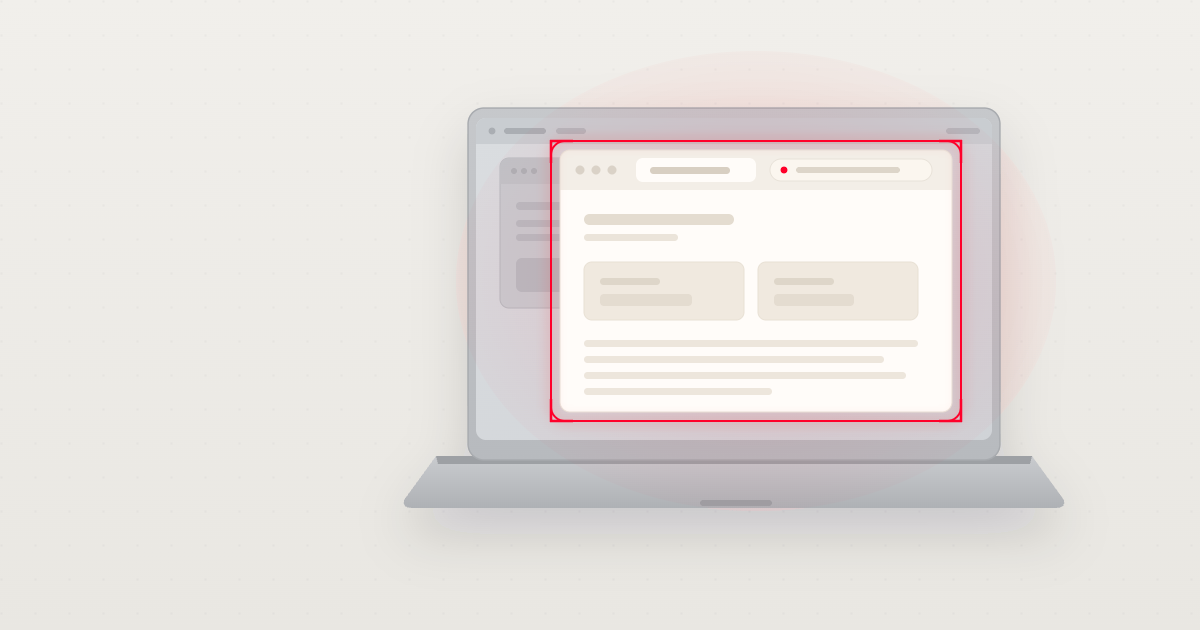
Session-layer security refers to the controls that operate inside the live browser tab — not at the network edge, not on the device OS, but within the session itself, where data is actively rendered, typed, copied, and transmitted. Calling the session the new perimeter means recognizing that this is now the primary surface where sensitive data is created, accessed, and exposed. Security controls have to operate there to be effective, not just at the layers beneath it.
Where Work Actually Happens
The shift isn’t subtle. The vast majority of modern corporate activity happens inside a browser tab — SaaS workflows, AI tools, file transfers, financial transactions, strategic planning. The operating system of work is no longer Windows or macOS. It’s Chrome. And Edge. And whatever embedded browser is running inside Outlook, Teams, or Slack.
This matters for security because risk follows work. If the work happens in the session, the exposure happens in the session too. An analyst pasting customer records into an AI summarization tool. A developer copying production credentials into a debugging assistant. A contractor sharing a file through an unsanctioned cloud service on a personal laptop. None of these actions trips a network alert. None registers on an EDR dashboard. They happen entirely within the session — the one layer the conventional stack was never built to see inside.
The security team’s visibility ends exactly where the risk begins.
Why Existing Tools Miss This Layer
This isn’t a criticism of the tools. It’s a description of what they were built for.
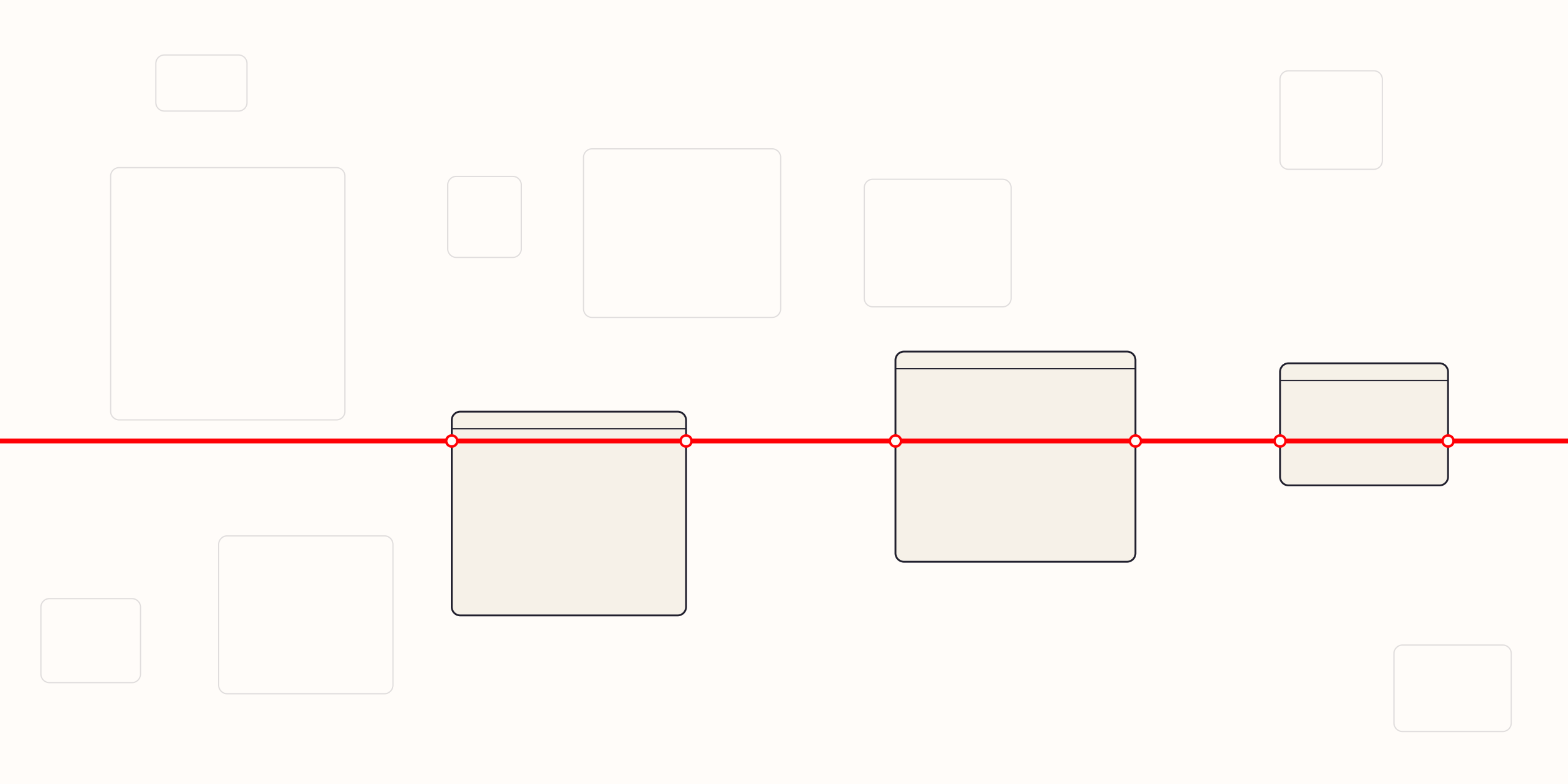
Firewalls and network proxies operate at Layers 3 and 4. They see connections: source, destination, protocol. Once an HTTPS session is established, the content is encrypted and the network layer goes effectively dark. SSL inspection restores some visibility into the traffic stream, but it still cannot see the behavioral context inside the session — what a user typed, what an extension harvested, what was copied from one tab and pasted into another. The phrase that keeps surfacing in practitioner conversations: the firewall sees the pipe. It doesn’t see the water.
EDR operates at the device layer. It monitors processes, file system activity, and known malicious behaviors. Browser sessions don’t surface as device processes. From the EDR’s vantage point, everything happening inside a Chrome tab is just Chrome — a trusted, signed application behaving normally.
CASB and cloud-delivered security tools sit at the network edge, intercepting traffic before it reaches its destination. They’re excellent at access control — determining whether a user can reach a given application at all. They are structurally blind to what happens after access is granted: the prompt typed, the file exported, the session token harvested by an extension operating in the same tab.
The pattern is consistent across every category. Each tool provides strong coverage at its designated layer, and loses effectiveness precisely at the moment the user is most active with sensitive data. The enforcement point is valid. The layer it’s inspecting is the wrong one.
It’s worth noting where the industry is voting with acquisitions. CrowdStrike acquiring browser-security vendor Seraphic. Zscaler acquiring SquareX. These are the platform leaders publicly conceding that endpoint and network coverage alone don’t reach the surface that matters now.
The Interaction Is Where the Risk Lives
Traditional security was built around a simple model: control what people can access, and you control what can go wrong. Block the bad destinations, allow the good ones, and the perimeter holds.
That model breaks down in a session-native world because the risk is no longer primarily about access. It’s about interaction.
A user can authenticate to a sanctioned Salesforce instance through a managed device on a corporate network — passing every access control check in the stack — and still expose sensitive data the moment they paste a customer list into a personal AI chat window open in a neighboring tab. The access was legitimate. The breach happened in the interaction. The interaction lived entirely inside the browser session, above every layer the security stack was watching.
This is what interaction-level risk means in practice. It’s not a new threat category — it’s the same data exposure problem the industry has always faced, relocated to a layer that most tools simply cannot reach. Prompt exfiltration, clipboard-based data movement, session token harvesting by extensions, file exports to personal cloud storage — these are the dominant data loss vectors in modern enterprise environments, and they all share the same characteristic: they happen inside the tab.
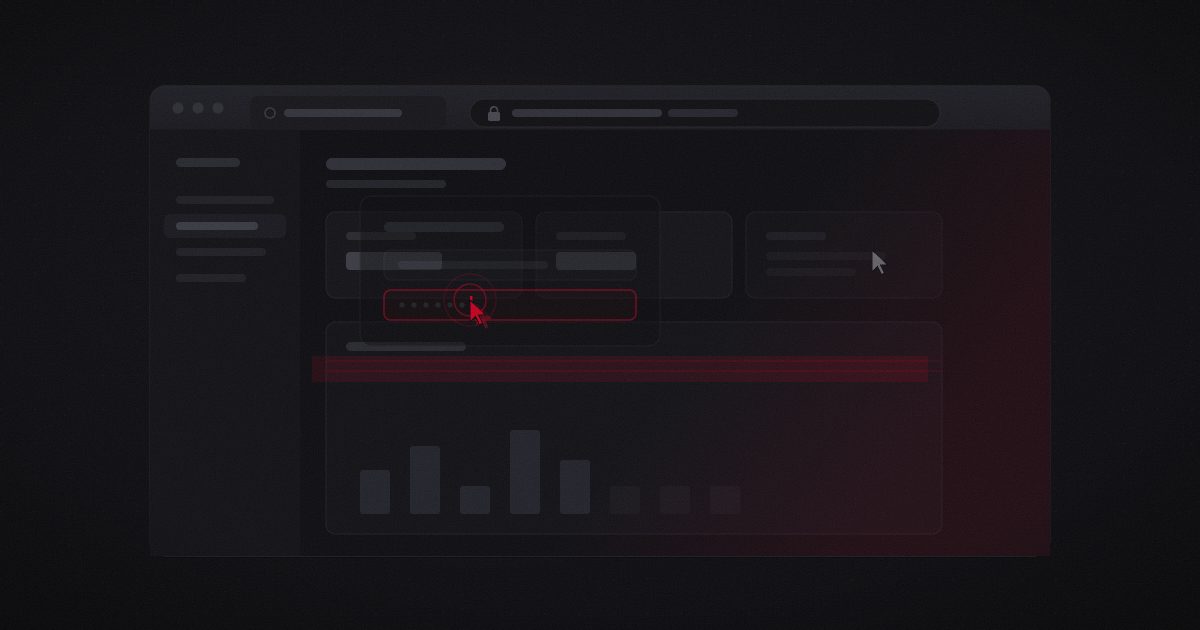
Consider one of the most common scenarios. An employee opens a sanctioned GenAI tool to help with a task. They paste in PII, source code, or contract language. The firewall sees the connection to the AI domain — that’s the pipe. It cannot see the contents of the prompt — that’s the water. The user hits send. The data is now in the model’s training pipeline. Nothing in the existing stack triggered. The user did nothing the policy forbade at the access layer. The exposure happened one layer up.
What Approaches Exist — and Where They Fall Short
The industry has recognized the session-layer gap and produced several responses. None fully solve it, for structural reasons worth understanding.
Remote Browser Isolation routes all browsing through a cloud-hosted environment and streams a pixel rendering of the session back to the user’s device. It achieves genuine isolation — the actual content never reaches the endpoint — but at significant cost. Practitioners describe the experience as “pixels up and pixels down”: the latency introduced by streaming a remote session is perceptible, particularly in the interactive, real-time web applications that define modern work. Compatibility issues are endemic. Modern SaaS tools, WebSocket-dependent messaging platforms, and complex single-page applications frequently break in isolated environments. The result is that RBI deployment tends to narrow over time, applied only to the highest-risk sites, while the vast majority of browsing — where most of the actual risk lives — continues unprotected. Users find workarounds. Workarounds are gaps.
Enterprise browsers embed the security layer inside a managed, proprietary browser. The visibility is real and the control is genuine. The challenge is deployment scope. Enforcing a single browser across an entire workforce — including contractors, BYOD users, developers who insist on Brave or Arc, and employees using embedded browser sessions inside tools like Outlook, Teams, or Figma — is a significant change-management undertaking. In practice, multi-year rollouts often stall well below full coverage. Every session that happens outside the managed browser is a gap. And the embedded browser sessions inside desktop apps — Copilot inside Outlook, the Slack desktop client, anything built on WebView2 or Electron — are categorically out of scope for a tool that requires users to launch a specific browser.
Extension-based security tools deploy a security add-on to each managed endpoint. They provide session-layer context that network tools lack, but they face a structural limitation: they are themselves extensions, operating in the same execution environment as the extensions they’re meant to govern. They require installation on every managed device, and by design cannot reach unmanaged devices, contractor laptops, or BYOD environments — exactly the surfaces where session-layer exposure is highest.
Each of these approaches extends visibility closer to the session layer than a firewall or EDR can reach. Each also introduces friction — to the user experience, the deployment model, or the coverage scope — that limits how broadly they can be applied. And friction matters. A control users route around isn’t protection. It’s a documented gap with extra steps.
What Session-Layer Security Actually Requires
Closing the session-layer visibility gap requires a control that operates from inside the session itself — not from the network edge looking inward, not from the device looking upward, but from within the browser tab where the interaction is happening.
That means the security engine needs to be present before the page loads, giving it visibility into what executes inside the session: what JavaScript runs, what extensions do, what data moves through the clipboard, what gets typed into a prompt before the send button is pressed. It needs to operate across every browser the workforce uses — Chrome, Edge, Firefox, Safari, Brave, Arc, Comet — and the embedded webviews inside desktop applications. Not just a managed subset. And it needs to do this without introducing the latency or compatibility problems that cause users to find workarounds, because a security control that users route around isn’t protection.
It also needs to coexist with the stack you already have. The firewall isn’t broken. It just can’t see above Layer 4. The right architectural answer isn’t to replace what’s working at the network edge — it’s to extend that enforcement into the layer it can’t currently reach. The most operationally honest version of this is a control that integrates with existing firewalls and SSE platforms, routes the session-layer traffic those tools can’t inspect, and falls back to the firewall if anything goes wrong. The network never fails open. The user never sees latency. The session, finally, is visible.
Where This Lands
The session is where work happens. It’s where data lives. It’s where the decisions that determine whether a breach occurs are made in real time, one interaction at a time. Security that doesn’t operate there is, by definition, operating somewhere else.
Most organizations don’t realize how much exposure lives in the session layer until they actually measure it. A week of silent session-layer monitoring typically surfaces what no prior audit caught — the extensions, the shadow SaaS, the prompt activity, the geographic leaks — without agents, without browser changes, and without disrupting a single user. Understanding the actual shape of the risk is the prerequisite to closing it.
In Part 3, we examine how session-layer security gets deployed in practice — what it looks like operationally, what it enables, and what to look for when evaluating whether a given approach genuinely closes the gap or just relocates it.